
Nenhum produto no carrinho.
Uncategorized
Hunting Blind Downtime: The Balloon Boom Slot as an Outdoor Tradition in the UK
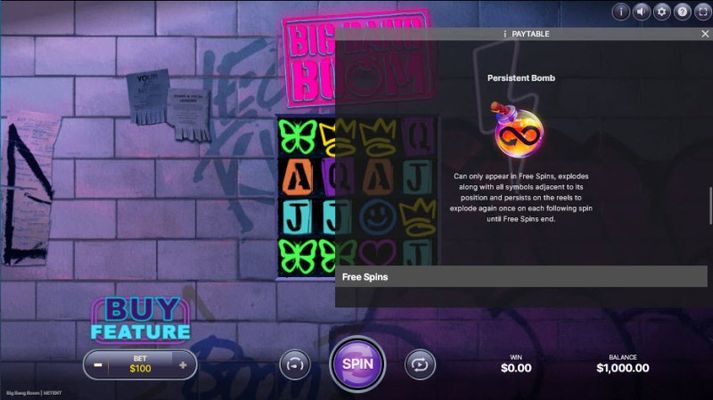
Across the British countryside, from the rolling fields to the thick woodlands, something quiet is shifting in the way hunters get set. The traditional image of a figure remaining motionless in a blind is now often accompanied by a small, glowing screen. A contemporary pastime has taken root during those long hours of waiting: mobile slot gaming. This fusion of old tradition and new technology manifests clearly in the growing use of games like the Balloon Boom Slot Card Identification. For hunters from the Scottish Highlands to the Devon moors, those still hours of anticipation have gained a new rhythm. Downtime is not any longer just about quiet and observing. It has developed into a chance for a mental distraction, a way to keep the mind active without breaking the meticulous stillness a successful hunt necessitates. This new habit is subtly redefining the experience of the hunt itself.
Britain’s Distinctive Outdoor Culture and Tech Integration
Britain has a unique relationship with its countryside, defined by public rights of way, private land ownership, and long-established sporting traditions. Hunting here is hardly ever a lone frontier activity. It’s typically a managed pursuit, tied to land stewardship, conservation, and local community. This particular framework influences how technology enters the field. British hunters are often pragmatic and discreet. Any tech must be unobtrusive and show respect for both the environment and the spirit of the sport. Using a mobile game in a blind fits this pattern well. It’s a individual, silent activity that disturbs neither wildlife nor other hunters. It aligns with a general British preference for reserved, private enjoyment, even during shared activities.
From the grouse moors of Yorkshire to the pigeon shoots of East Anglia, the culture strikes a balance between deep-rooted tradition with a calm acceptance of useful modernity. You may find a hunter using a digital mapping app to navigate permissions right after checking a worn paper map. Bringing slot gaming into the mix is simply another step in this pattern. It tackles a human problem—the creep of boredom—with a modern tool, without changing the core reason for being outdoors. This natural blending is characteristic of the UK’s approach. The pastime progresses in its substance while keeping the form and respect of the tradition. It shows a pragmatic, undogmatic view of what’s acceptable during the hunt’s quieter phases.
Social View and the Evolution in Custom
Any modification to longstanding habit sparks discussions in its community. A purist may perceive a hunter glancing at a device in a hide and think it indicates a absence of respect or deference. The fact I’ve discovered is more nuanced. Among younger hunters and frequent visitors, the custom is more often viewed as a intelligent, individual tactic. The brand is waning as people see its utility. Acceptance hinges on discretion and accountability. A hunter who is effective, safe, and respectful of the quarry and the ground will typically have their methods assessed by results, not by outdated notions.
This evolution reflects larger transformations in how we think concentration and attention. The tactic of redirecting your focus temporarily to refocus it afterward is a established mental method. In UK hunting circles, the discussion is rarely about if gadgets are appropriate in the field anymore—premium optics, heat-detecting devices, and satellite navigation are already commonplace. The talk is more centered on how technology is employed. Incorporating mobile games is just the next step in that progression. It’s evolving into a new, unofficial practice, a personal ritual within the larger frame of the hunting expedition. Stories get shared not solely about the day’s harvest, but about a chance success on a slot machine during a uneventful afternoon, introducing a fresh layer of contemporary legend to the timeless craft of waiting in the wild.
Balloon Boom Slot Slot: A Great Choice for the Hunting Blind
The specific design of the Balloon Boom game makes it an unexpectedly great fit for the hunting blind. Unlike games with intricate narratives or advanced tactics, a slot game operates on ease and quick results. The core loop is simple: spin the reels, observe, react. It asks minimal mental energy to play but gives a strong sensory reward through vivid colors, gratifying noises (using headphones), and the possibility of winning. For a hunter in their blind, this represents the ideal kind of distraction. It doesn’t require extensive preparation or dedication. A playing session can go for two minutes or twenty, and you can quit immediately without disrupting your flow or messing up a game plan.
Additionally, the design of Balloon Boom—the popping balloons, the vibrant graphics—generates a clear and invigorating difference to the soft greens and browns of nature outside the blind. This juxtaposition is helpful mentally. It provides an entirely different mental backdrop without moving physically. The game’s design, with its bonus features and quick-win elements, provides small doses of thrill that make the waiting easier. I see it as a digital version of a talisman or a fidget habit, like carving wood, but it’s kept in an item already on hand for safety and navigation. The pairing is so intuitive that it has become a topic of discussion in hunting circles, an advised strategy for handling the mental grind of the waiting period.
The Evolution of the English Hunting Blind
The shooting blind, or hide, is woven into the tradition of UK outdoor life. For years, these constructions—extending from simple canvas wraps to sturdy wooden boxes—have acted as an outdoorsman’s cover. Their job has always been concealment, providing a glimpse of the outdoors while screening the user. Time spent in the hide traditionally meant a reflective, sharp concentration, interrupted only by wild sounds. The arrival of the mobile phone has transformed the character of that pause. The shelter has evolved from a place of pure outward looking to a sort of mixed environment. Within this private nook, the bodily stillness of hunting now shares space with the fast, vibrant thrill of mobile entertainment. It is a spot made for short, self-contained sessions.
This transformation reflects a broader change in how we deal with solitude and patience. The modern hunter, just as dedicated as any before, carries different gear to the pause. The mobile device, previously viewed as a potential nuisance for its glow and noise, is now thoughtfully controlled as an aid for the downtime. It is kept quiet, with the brightness reduced, utilized in a fashion that enhances the experience rather than wrecks it. In this way, the hunting blind has become a miniature glimpse of our networked society, where old tradition meets modern distraction. This is not about throwing out tradition. It is an evolution, helping the practice remain pertinent for folks who may find difficult the uninterrupted, passive waiting that was once the norm.
Real-world Upsides and Thoughts for Sportsmen
Incorporating something new to a stalking routine involves considering its practical outcomes. From my talks and observations, using activities like Balloon Boom slot during breaks offers several obvious gains. Firstly, it helps with prolonged focus. By allowing a scheduled mental break, it fights focus tiredness. A outdoorsman can come back to checking the environment with sharper sight. Secondly, it controls the feeling of time. Lengthy stretches seem more drawn out when you stare at the timer. An absorbing diversion causes time pass more swiftly in your thoughts, turning a long vigil more tolerable over several hours or a full day.
But this approach carries firm guidelines that any responsible sportsman has to adhere to. Restraint is key. The activity must never come before the stalking. That calls for a number of unbreakable protocols.
- The handset remains on mute, with buzzing turned off.
- Screen light level goes down to the very bare minimum to avoid glow spilling from the cover.
- Headphones are essential if any audio noise is played, and the audio level must stay down to maintain attentiveness of the environment.
- The activity must end right away. The handset gets set down the instant an animal is seen or a odd audio is detected.
When hunters adhere to these protocols, the title aids the hunt, not the reverse. It transforms into a tool for sustaining readiness, like how a hot thermos of drink is a help for keeping toasty on a frosty morning vigil.
Understanding “Downtime” in Contemporary Hunting
To someone who never hunts, the activity might seem constant. The reality is it’s defined by deep stretches of doing nothing. This downtime isn’t dead time. It’s a strategic, essential part of the process. Animals shift during these lulls, patterns emerge, chances present themselves. But sustaining sharp attention through these periods is a well-documented mental challenge. A mind left completely idle can slip into boredom or fatigue, which ironically weakens the awareness the hunter requires. This is why a organized mental break matters. A quick, engaging distraction can function like a cognitive reset, freshening focus and stopping the senses from going dull from pure monotony.
In the UK, where hunting often relates to detailed land and species management, these waits can be exceptionally long. Whether you’re hoping for ducks at dawn on a Norfolk broad or for deer at dusk in a Perthshire forest, the environment demands absolute stillness. The modern answer, from what I’ve noticed, isn’t to battle the wait but to manage it with strategy. Playing a fast, visually bright game on a phone offers a controlled mental escape. The trick is picking something immersive but easy to pause—an activity you can interrupt the instant a rustle in the bushes or a shape against the sky demands your full attention. This balanced approach turns downtime from a test of endurance into an actively managed part of the ritual, which can improve overall patience and readiness.
The Future: Blending Heritage with Modern Trends
The path seems established. The overlap between outdoor traditions and digital gaming will likely increase. The exact game might change—today it’s Balloon Boom, tomorrow it could be something else—but the fundamental pattern is becoming a fixture. We might even observe game developers target this unique audience. They could develop features or modes built for periodic, focus-friendly use. Picture a “hunter mode” with ultra-quiet colours or a single-tap pause function. The hunting gear industry might adapt too, with blind designs that include subtle phone holders or solar-powered charging ports, integrating the need right into the gear.
For the UK, a country that treasures its outdoor heritage while also being a worldwide player in creative and tech fields, this blend feels appropriate. It suggests a future where custom isn’t a relic but a evolving practice that changes. The heart of the hunting—the endurance, the skill, the regard for nature and conservation—stays entirely intact. What shifts is the toolkit for aiding the human mind doing this demanding activity. So the hunting blind becomes a curious kind of threshold. It’s not just a screen between hunter and quarry anymore. It’s a small portal where the enduring patience of the field meets the quick, popping thrill of a digital balloon, creating a distinctly modern kind of British outdoor adventure.
